
Most trailer buying mistakes happen before the quotation — in the specification. A trailer that is
oversized costs you money on every trip; one that is undersized fails early. This guide walks through the
five decisions that matter most.
1. Start from the cargo, not the trailer
Write down what you actually move, in the order it matters:
- Form: loose bulk, palletised, containerised, liquid, powder, or indivisible machinery.
- Density: 30 tonnes of sand and 30 tonnes of maize occupy completely different volumes.
- Loading method: forklift, excavator, gravity, pump, or crane. This alone decides whether
you need a flatbed, a tipper or a lowbed. - Discharge method: tip, pump, gravity, or manual. Side discharge needs clearance beside
the trailer, not above it.
2. Match the trailer family to the cargo
| Cargo | Trailer family |
|---|---|
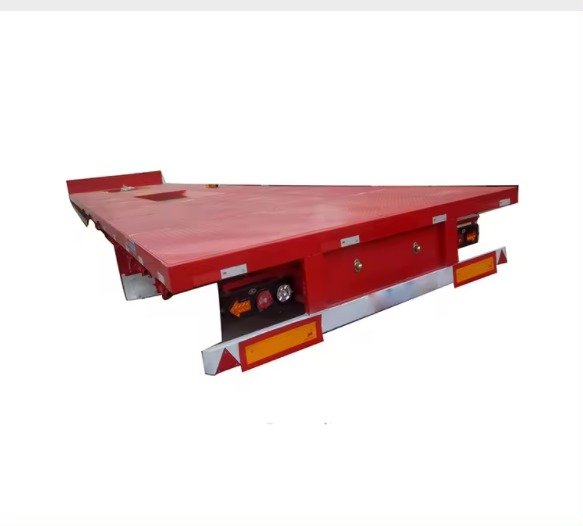
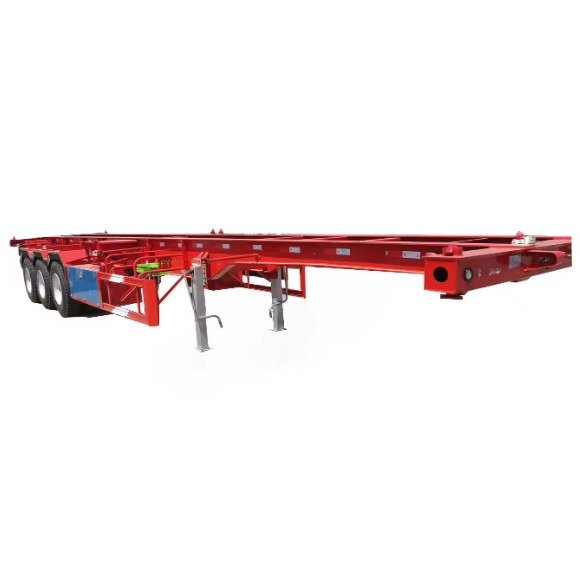
| 20 ft / 40 ft containers | Flatbed or skeletal trailer |
| General break-bulk and pallets | Flatbed, side wall or box trailer |
| Livestock, timber, agricultural bulk | Fence cargo trailer |
| Diesel, gasoline, crude oil | Fuel tanker trailer |
| Bitumen | Insulated tanker with burner |
| Cement, fly ash, lime powder | Bulk cement tanker |
| Sand, gravel, coal | Tipper or side tipper trailer |
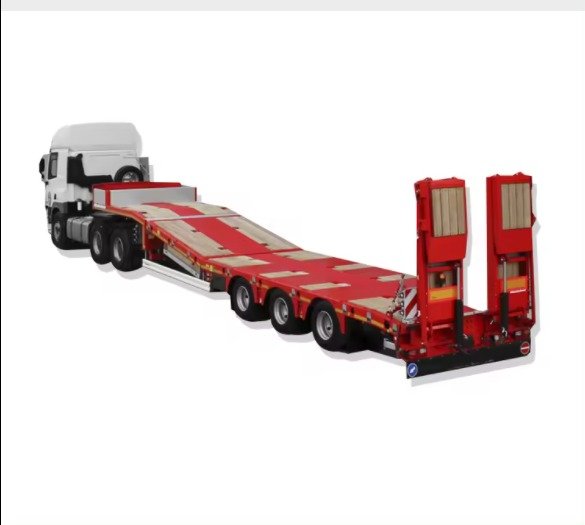
| Excavators, loaders, machinery | Lowbed or detachable gooseneck trailer |
| Ultra-heavy project cargo | Hydraulic modular trailer |
3. Decide the axle configuration
Axle count is a function of payload and local axle-load law, not of trailer length.
- Two axles suit lighter payloads and shorter trailers, and cost less to run.
- Three axles is the most common configuration and the easiest to resell.
- Four or more axles are for heavy haulage, where the load must be spread across a long deck.
Check your local maximum axle load before you finalize the count. A trailer that is legal in one country
can be overloaded in another.
4. Choose the suspension
Mechanical suspension is simple, cheap to repair and well suited to rough roads and heavy loads.
Air suspension gives a smoother ride, protects fragile cargo and is often required for certain
regulated loads. For mine sites and unpaved routes, mechanical is usually the more durable answer.
5. Specify the details that decide service life
- Floor thickness and material — checkered plate for grip and wear, thicker plate for
abrasive bulk such as gravel. - Side height — driven by the density of your cargo.
- Paint system — sandblasting plus a proper spray booth matters more than the colour
you choose. - Spare parts availability — standard, widely available axles and running gear are
easier to service locally than proprietary parts.
What to send us
Send the cargo, the payload, the loading and discharge method, and your nearest port. Our engineer will
propose a configuration and confirm the drawing with you before production starts.