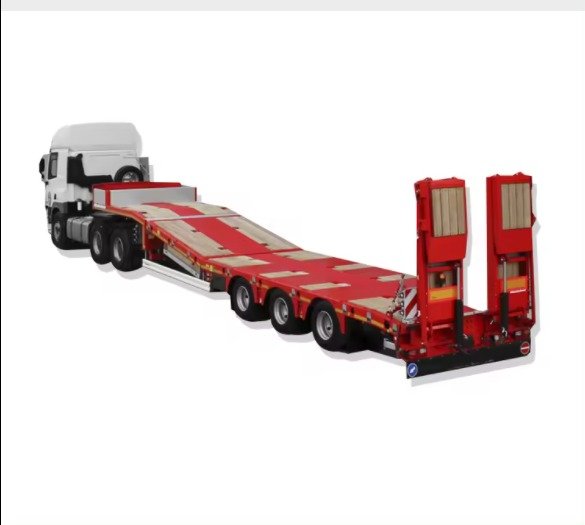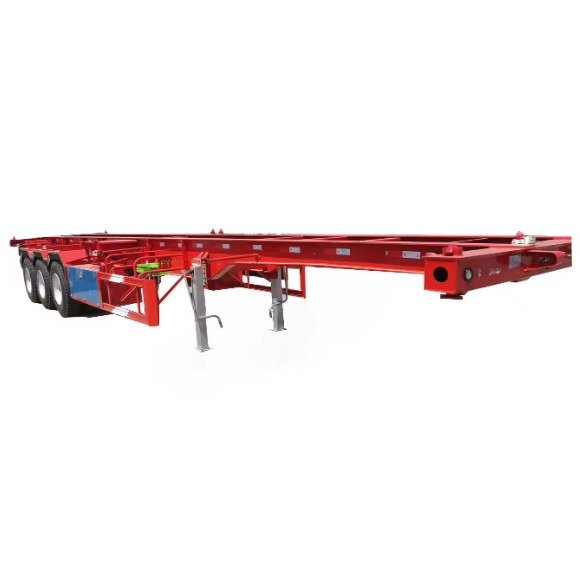

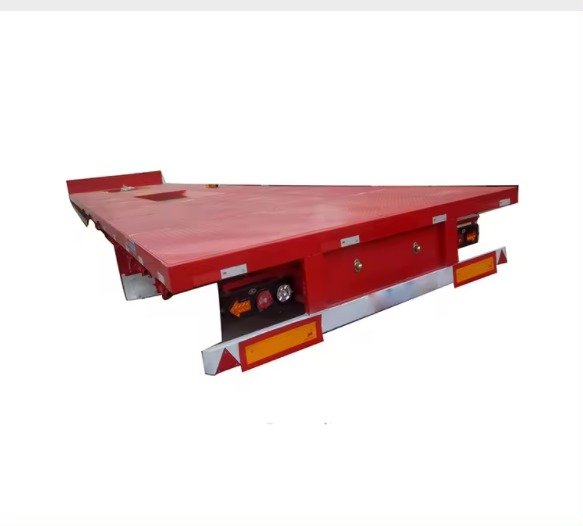
A side tipper trailer discharges its load sideways instead of tipping it out of the back. It is a
specialist tool, and for the right job it is far more productive than an end tipper.
How it works
The body is divided into sections, each with its own hydraulic ram. Rather than raising the whole body,
the trailer tips one section at a time to the side, spilling the load alongside the trailer.
When a side tipper wins
- Low overhead clearance. An end tipper needs vertical space to raise its body. A side
tipper does not, so it works under conveyors, hoppers and structures. - Discharging onto a stockpile or into a trench. The load goes straight to the side,
which is often exactly where you want it. - Long combination vehicles. Where raising a very long body is impractical or unstable,
tipping section by section is safer. - Stability. Because the centre of gravity rises less, side discharge is generally more
stable on uneven ground.
When an end tipper is the better answer
- Simple rear discharge into a hopper or pit. Nothing beats a conventional end tipper
for this, and it costs less. - Tight sites. A side tipper needs room beside the trailer for the load to fall into.
An end tipper only needs room behind it. - Budget-sensitive work. Fewer moving parts means a lower purchase price and simpler
maintenance.
What to check before you specify one
- Which side you will discharge to, and whether that side is always clear.
- Ground conditions where you tip — the trailer must stay level as the load leaves.
- The density of the cargo, which determines the section volume and the ram sizing.
- Whether you need a rear door as well, for flexibility.
If you describe your site layout and the material you move, we will tell you honestly whether a side
tipper or a standard end tipper suits you better.